

Call Us
Text Us
Book Now
" "

Porcelain Veneers in Venice, FL: How to Plan a Natural-Looking Smile Refresh

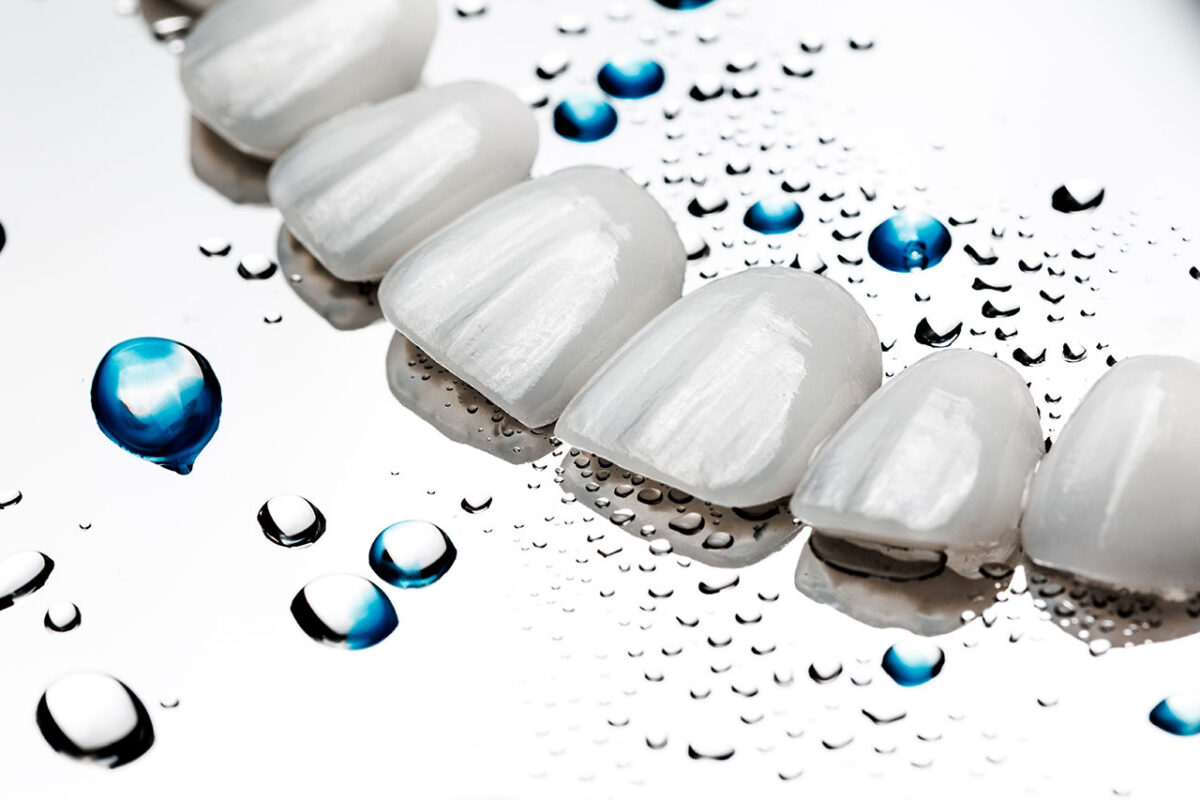
Have you ever wondered how a smile can look refreshed without looking overdone? Many patients want a brighter, more balanced smile, but they also want results that feel authentic. Porcelain veneers can be a thoughtful option when the goal is natural-looking improvement rather than a dramatic change.

Patients exploring veneers in Venice often want to address concerns such as discoloration, small chips, uneven edges, worn enamel, or minor spacing. Porcelain veneers are thin custom shells that are bonded to the front surfaces of teeth to enhance shape, shade, and symmetry.

At The Dental Boutique Venice, veneer planning focuses on balance, comfort, and personalization. However, the best veneer results begin before treatment ever starts. A careful consultation helps determine whether porcelain veneers are appropriate, how many teeth should be treated, and what design choices will best complement your facial features and smile goals.

What Are Porcelain Veneers?

Porcelain veneers are custom-made restorations that cover the visible front surfaces of selected teeth. They are often used in cosmetic dentistry because porcelain can mimic the light-reflecting quality of natural enamel. As a result, veneers can create a bright, polished appearance while still looking realistic.

Veneers may be used to improve teeth that are stained, slightly misshapen, chipped, uneven, or spaced. In addition, they may help create a more consistent smile line. However, veneers are not the right solution for every concern. If teeth are severely misaligned, damaged, or affected by active decay or gum disease, other treatments may need to come first.

Unlike whitening, which changes tooth color, porcelain veneers can change color, shape, length, and proportion. This makes them versatile. Nevertheless, they require thoughtful design because even small changes can influence the overall appearance of the smile. Therefore, communication with your dentist is essential.

What Makes Veneers Look Natural?

Natural-looking veneers are not simply the brightest shade available. Instead, they are designed around your smile, lips, facial shape, gum line, and personal preferences. The goal is to create harmony. For some patients, that may mean a soft, subtle enhancement. For others, it may mean a more noticeable refresh while still preserving a realistic appearance.

Shade is only one part of the plan. Tooth shape also matters. Some smiles look best with gently rounded edges, while others may look better with slightly more defined contours. Length and width are important too. If veneers are too long or too uniform, they may not look natural. Therefore, custom planning helps create results that suit the individual rather than copying a generic smile.

Texture is another detail. Natural teeth are not perfectly flat. They have subtle surface characteristics that affect how light reflects. Skilled veneer design considers these details so the final result has depth and dimension. In addition, the dentist will evaluate how the veneers meet the gums and how they function when you bite.

Benefits of Porcelain Veneers

  • Customized smile design: Porcelain veneers can be planned around your goals, facial features, and natural tooth proportions.
  • Natural-looking brightness: Veneers can create a refreshed shade while still maintaining a realistic enamel-like appearance.
  • Improved tooth shape: Veneers can address chips, worn edges, uneven teeth, and minor shape concerns.
  • Stain resistance: Porcelain is resistant to many common surface stains, helping the smile remain bright with proper care.
  • Efficient transformation: Veneers can improve several cosmetic concerns at the same time.
  • Long-lasting potential: With good habits and regular dental visits, porcelain veneers can provide durable results.

Trusted dental guidance emphasizes that cosmetic treatment should be planned on a healthy foundation. That means teeth and gums should be evaluated before porcelain veneers are placed. When the mouth is healthy and the design is thoughtful, veneers can support a confident smile while preserving comfort and function.

Who May Be a Good Candidate for Veneers?

A good candidate for porcelain veneers usually has healthy teeth and gums, realistic expectations, and cosmetic concerns that veneers can address. For example, veneers may be appropriate for teeth with deep discoloration that does not respond well to whitening. They may also help teeth with minor chips, shape irregularities, or small spaces.

However, veneers may not be ideal for patients with untreated cavities, active gum disease, or severe bite problems. In addition, people who grind or clench heavily may need protection, such as a nightguard, to reduce the risk of damage. If there is not enough healthy enamel or if a tooth needs more structural support, a crown may be recommended instead.

During your consultation, your dentist will examine your teeth, review your goals, and explain whether veneers are suitable. In some cases, whitening may be recommended before veneers if only certain teeth are being treated. This helps the final shade blend with surrounding natural teeth.

What to Expect During the Veneer Process

The veneer process usually begins with a consultation and smile design conversation. Your dentist will ask what you like and what you would like to improve. Photos, scans, or impressions may be taken to evaluate tooth shape, spacing, and bite. This planning phase helps create a roadmap for your smile refresh.

In many cases, a small amount of enamel is prepared from the front of the teeth receiving veneers. This allows the veneers to fit naturally rather than looking bulky. Then, impressions or digital scans are sent to create the custom restorations. Temporary veneers may be placed while the final veneers are made.

At the placement visit, your dentist will check the fit, shade, and appearance of each veneer. Adjustments may be made before bonding. Once approved, the veneers are attached to the teeth with dental bonding materials. Afterward, your dentist will check your bite and provide care instructions.

How to Care for Porcelain Veneers

Porcelain veneers are durable, but they still need daily care. Brush twice a day with a soft-bristled toothbrush, floss daily, and keep regular dental visits. In addition, avoid using your teeth as tools to open packages or bite hard objects. These habits can damage veneers and natural teeth alike.

If you drink coffee, tea, or red wine, your porcelain veneers may resist staining better than natural enamel. However, the surrounding teeth and edges can still collect stains over time. Therefore, professional cleanings and good home care remain important for keeping your entire smile fresh.

If you grind your teeth at night, your dentist may recommend a custom nightguard. This can help protect veneers from excess pressure. Although veneers are strong, they are not indestructible. With mindful habits, you can help your results last longer.

Questions to Ask Before Choosing Veneers

Before moving forward, ask how many veneers are recommended and why. Sometimes treating only one or two teeth is enough. In other cases, several veneers may create better balance. You can also ask whether whitening, Invisalign, bonding, or crowns should be considered as alternatives or supporting treatments.

It is also helpful to discuss shade, shape, and maintenance. Bring photos of smiles you like, but remember that your best result should be designed for your face and natural features. Additionally, ask about the expected timeline, temporary veneers, and how to care for your smile after treatment.

Because veneers are a cosmetic investment, you should feel comfortable with the plan before treatment begins. Clear communication helps ensure the final result matches your expectations as closely as possible.

Ready to Refresh Your Smile in Venice?

Porcelain veneers can offer a natural-looking way to enhance tooth shape, shade, and symmetry. With careful planning, they can create a smile that feels polished, comfortable, and true to you.

Contact The Dental Boutique Venice at (941) 294-0600 to Schedule a Consultation for porcelain veneers in Venice, FL.


Emergency Dentist in Venice, FL: What to Do When Tooth Pain Cannot Wait

Dental pain has a way of interrupting everything. One moment you are going through your day, and the next you are trying to decide whether a toothache, broken tooth, or swollen gum needs immediate attention. When discomfort is severe or something changes suddenly, it is important to know what to do next.

If you need an emergency dentist in Venice, timely care can make a meaningful difference. Emergency dentistry focuses on relieving pain, identifying the cause of the problem, and helping prevent the issue from becoming more serious.

At The Dental Boutique Venice, patients can call for urgent dental concerns and receive guidance on the right next step. However, not every dental problem feels the same. Some emergencies involve obvious injury, while others begin as dull pain that becomes intense. Therefore, knowing common warning signs can help you act quickly and confidently.

What Counts as a Dental Emergency?

A dental emergency is any oral health issue that needs prompt attention to relieve severe pain, stop bleeding, address infection, or protect a tooth from further damage. Common examples include a knocked-out tooth, a cracked or broken tooth, swelling in the gums or face, severe tooth pain, a lost restoration, or an injury to the mouth.

Sometimes the need for care is clear. For example, if a tooth is knocked out, immediate action is important. In other situations, you may be unsure. A toothache that keeps you awake, swelling that gets worse, or pain when biting may signal a deeper problem. In addition, sensitivity that lingers after hot or cold foods can indicate irritation inside the tooth.

If you are uncertain, calling a dental office is often the safest choice. A team member can help you describe your symptoms and determine whether you should be seen right away. Meanwhile, if you have trouble breathing, uncontrolled bleeding, or swelling that affects your airway, seek emergency medical care immediately.

Common Reasons Patients Call an Emergency Dentist

Severe toothaches are one of the most common reasons patients seek urgent dental care. Tooth pain may be caused by decay, infection, cracked enamel, gum inflammation, or pressure from grinding. Because the cause is not always visible, an exam and imaging may be needed to identify the problem.

Broken teeth are another frequent emergency. A tooth can crack from biting something hard, an accident, or an old filling that weakens over time. Even if a broken tooth does not hurt right away, it should be evaluated. The inner layers of the tooth may be exposed, and the crack may worsen without treatment.

Lost crowns or fillings can also require prompt care. When a restoration comes loose, the tooth underneath may become sensitive or vulnerable. In addition, dental infections can create swelling, a bad taste, fever, or throbbing pain. Because infections can spread, they should not be ignored.

Benefits of Emergency Dental Care

  • Faster pain relief: Emergency dental care helps identify the source of pain and provide treatment designed to reduce discomfort.
  • Tooth-saving potential: Prompt treatment may improve the chance of saving a damaged or infected tooth.
  • Reduced risk of complications: Early care can help prevent cracks, infections, or swelling from becoming more serious.
  • Clear answers: An exam and imaging can help determine what is happening instead of leaving you guessing.
  • Personalized treatment: Emergency dentistry focuses on your immediate needs while also considering long-term oral health.
  • Peace of mind: Knowing you have a plan can reduce stress during a painful or uncertain situation.

Reliable dental guidance consistently supports prompt evaluation for severe pain, trauma, swelling, and signs of infection. Although home care may temporarily ease discomfort, it cannot diagnose the underlying cause. Therefore, emergency dental care is important because it addresses both symptoms and the source of the problem.

What to Do Before You Reach the Dental Office

While waiting for your appointment, a few simple steps may help protect your mouth. If you have a toothache, rinse gently with warm water and floss carefully to remove trapped food. You may use a cold compress on the outside of the cheek if swelling is present. In addition, over-the-counter pain relief may help when used as directed.

If a tooth is knocked out, handle it by the crown rather than the root. If possible, place it back in the socket gently without forcing it. If that is not possible, keep it moist in milk or saliva and call the dentist immediately. Timing matters with knocked-out teeth, so do not delay.

If a tooth breaks, collect any pieces if available and avoid chewing on that side. If a crown comes off, store it safely and bring it with you. However, do not use household glue or attempt permanent repairs at home. Temporary dental materials from a pharmacy may help in some cases, but professional care is still needed.

How an Emergency Dental Visit Works

An emergency dental visit begins with a conversation about your symptoms. Your dentist will ask when the problem started, what makes it worse, and whether you have swelling, fever, injury, or sensitivity. Then, an exam and dental imaging may be used to locate the cause.

Once the problem is identified, your dentist will discuss treatment options. Depending on the situation, care may include a filling, crown repair, tooth splinting, root canal therapy, extraction, antibiotics when appropriate, or another service. The first goal is often to relieve pain and stabilize the tooth or gums. Then, additional treatment may be planned if needed.

At The Dental Boutique Venice, the team also considers your comfort during urgent care. Dental emergencies can feel stressful, especially if you have had difficult dental experiences in the past. Therefore, clear communication and a calm environment can make the visit feel more manageable.

When Tooth Pain Should Not Be Ignored

Some dental symptoms should be evaluated as soon as possible. Severe pain, swelling, pus, fever, facial tenderness, a loose adult tooth, or pain after trauma can indicate a problem that needs urgent care. In addition, pain that wakes you at night or does not improve may signal inflammation or infection inside the tooth.

It is also important to pay attention to gum swelling around one tooth. A small bump on the gums may be a sign of infection draining from the area. Although the pain may come and go, the underlying issue still needs treatment. Waiting too long can make the problem harder to treat.

Meanwhile, mild sensitivity that fades quickly may not be an emergency, but it should still be mentioned at your next dental visit. Your dentist can check for enamel wear, gum recession, cavities, or bite issues. Early attention often helps prevent minor concerns from becoming urgent.

How to Reduce the Risk of Dental Emergencies

Although not every dental emergency can be prevented, routine care can lower risk. Regular exams allow your dentist to identify cracks, cavities, loose restorations, and gum concerns before they become painful. Professional cleanings also help manage plaque and inflammation.

If you play sports, a custom mouthguard can help protect teeth from injury. If you grind your teeth, a nightguard may reduce stress on enamel and restorations. Additionally, avoid chewing ice, hard candy, pens, or non-food objects because these habits can crack teeth.

Good daily care matters too. Brushing twice a day, flossing daily, and staying consistent with dental visits can help keep your mouth healthier. As a result, you may reduce the chance of sudden pain caused by untreated decay or gum disease.

Need Urgent Dental Help in Venice?

Dental emergencies can feel overwhelming, but you do not have to manage them alone. Prompt care can help relieve pain, protect your oral health, and give you a clear plan for recovery.

Contact The Dental Boutique Venice at (941) 294-0600 to Call Us Today for emergency dental care in Venice, FL.

Invisalign in Venice, FL: A Clear Guide for Busy Adults and Teens

What if straightening your teeth could fit into your daily life without the look and feel of traditional braces? Many adults and teens want a healthier, more aligned smile, but they also want treatment that feels manageable at school, at work, and during everyday activities.

That is why many patients ask about Invisalign in Venice. Invisalign clear aligners are designed to guide teeth into better positions using a series of removable trays. Because the aligners are clear and custom-made, they can be a discreet option for people who want orthodontic care with flexibility.

At The Dental Boutique Venice, Invisalign treatment begins with a thoughtful evaluation of your teeth, bite, smile goals, and oral health. However, clear aligners are not simply ordered and worn without a plan. Successful Invisalign treatment depends on accurate digital planning, consistent wear, regular check-ins, and clear communication between you and your dental team.

How Invisalign Clear Aligners Work

Invisalign uses a series of clear plastic aligners that fit snugly over your teeth. Each set is designed to create gentle, controlled movement. Over time, your teeth shift closer to the positions planned by your dentist. Because the aligners are removable, you can take them out for meals, brushing, and flossing.

Before treatment begins, your dentist will assess your bite and determine whether Invisalign is appropriate. Then, digital scans or impressions are used to map the current position of your teeth. From there, a custom treatment plan is created. This plan shows how your teeth are expected to move and helps guide each stage of treatment.

Patients typically wear aligners for most of the day and night, removing them only when eating, drinking anything other than water, or cleaning their teeth. Consistency matters. If aligners are not worn as instructed, tooth movement may slow down or become less predictable. Therefore, Invisalign works best for patients who are ready to follow the plan closely.

Why Adults and Teens Choose Invisalign

Many people choose Invisalign because the aligners are less noticeable than brackets and wires. However, appearance is only one reason patients appreciate this treatment. Invisalign can also make daily hygiene easier because the trays are removed before brushing and flossing. As a result, patients can clean their teeth without working around fixed orthodontic hardware.

In addition, Invisalign can be convenient for people with active schedules. There are no dietary restrictions caused by braces because the aligners are removed before meals. Meanwhile, patients who play sports or musical instruments may appreciate the smooth, low-profile design. Although aligners must be worn consistently, they can fit naturally into many routines.

For teens, Invisalign may support confidence during school, photos, performances, and social events. For adults, Invisalign can offer a professional-looking option that does not draw attention during meetings or daily interactions. Most importantly, Invisalign is not only cosmetic. Better alignment may also make teeth easier to clean and may improve bite function in appropriate cases.

Benefits of Invisalign Clear Aligners

  • Discreet appearance: Clear aligners are designed to be subtle, which appeals to many adults and teens.
  • Removable design: You can remove aligners for meals, brushing, and flossing, making daily care more convenient.
  • Comfortable fit: Smooth aligners avoid the brackets and wires associated with traditional braces.
  • Fewer food limitations: Since aligners come out before eating, patients can continue enjoying many favorite foods.
  • Digital planning: Invisalign treatment is guided by a customized plan that maps tooth movement over time.
  • Improved cleanability: Straighter teeth may be easier to brush and floss, which can support long-term oral health.

Reliable dental guidance often highlights the value of proper alignment for function, hygiene, and overall oral wellness. When teeth are crowded or spaced in ways that trap plaque, cleaning can be more difficult. Therefore, Invisalign may support both smile appearance and healthier daily habits for the right candidate.

What Invisalign Can Help Address

Invisalign may be recommended for many mild to moderate alignment concerns. These can include crowding, spacing, overlapping teeth, and certain bite issues. However, not every orthodontic concern can be treated with clear aligners alone. More complex bite problems may require a different approach or additional dental care.

During your visit, your dentist will look at how your upper and lower teeth come together. This is important because straight teeth should also function well. If your bite is not properly planned, the final result may not feel as comfortable as it looks. Therefore, Invisalign treatment should always be guided by a trained dental professional who understands both smile design and bite balance.

In some cases, small tooth-colored attachments may be placed on certain teeth to help aligners grip and guide movement. These attachments are temporary and are removed when treatment is complete. Additionally, some patients may need small adjustments between teeth to create space for movement. Your dentist will explain these steps before treatment begins.

What to Expect During Treatment

Your Invisalign journey usually starts with a consultation. At this visit, your dentist will discuss your goals, examine your teeth, and determine whether aligners are a suitable option. If you move forward, digital scans are taken to create your custom plan and aligner series.

Once your aligners are ready, you will receive instructions on how long to wear each set and how to care for them. You may feel gentle pressure when switching to a new set of aligners. This is normal because the trays are guiding tooth movement. However, discomfort is usually temporary and manageable.

Throughout treatment, you will visit the office periodically so your dentist can monitor progress. These visits help confirm that your teeth are moving as planned. If adjustments are needed, your dentist can make recommendations. Once active treatment is finished, retainers are usually needed to help maintain your new alignment.

How to Make Invisalign Fit Your Routine

Invisalign can be convenient, but it still requires commitment. To stay on track, many patients build aligner habits into their daily routine. For example, you can keep your aligner case with you, brush after meals when possible, and avoid wrapping trays in napkins where they may be accidentally thrown away.

It is also important to clean aligners properly. Rinse them when you remove them, brush them gently as instructed, and avoid hot water because heat can distort the plastic. In addition, avoid eating with aligners in place. Food can damage or stain them, and trapped particles can increase plaque buildup.

Although Invisalign is flexible, the best results come from consistency. Wearing aligners for the recommended amount of time each day helps treatment stay on schedule. Therefore, patients who are organized and motivated often do very well with clear aligner therapy.

Questions to Ask Before Starting Invisalign

Before beginning treatment, ask whether Invisalign can address your specific alignment concerns. You may also want to ask how long treatment may take, whether attachments are needed, how often visits are scheduled, and what retainers will be required afterward.

Additionally, ask how Invisalign fits into your overall dental health plan. For example, cavities, gum inflammation, or worn restorations may need attention before aligners begin. A healthy foundation supports safer, more predictable tooth movement. Because of this, your dentist may recommend a cleaning or other care before starting Invisalign.

Ready to Explore Invisalign in Venice?

A straighter smile can feel easier to maintain and more comfortable to share. If you are interested in a discreet orthodontic option, Invisalign may be a strong choice for your lifestyle, goals, and oral health needs.

Contact The Dental Boutique Venice at (941) 294-0600 to Book an Appointment and find out whether Invisalign in Venice, FL is right for you or your teen.

Dental Implants in Venice, FL: What to Know Before Replacing Missing Teeth

What changes when a missing tooth is replaced with something designed to look, feel, and function like part of your smile? For many people, the answer is more than appearance. Missing teeth can affect how you chew, how clearly you speak, and how confident you feel when sharing a meal or conversation.

If you are comparing tooth replacement options, learning about dental implants in Venice can help you understand why many patients choose this stable, long-term solution. Dental implants are designed to replace the root and visible portion of a missing tooth, which gives them a secure foundation and a natural feel.

At The Dental Boutique Venice, patients can explore dental implants with a team that focuses on comfort, personalized planning, and modern technology. However, the right choice depends on your oral health, your goals, your jawbone support, and the type of restoration needed. Therefore, a consultation is the best way to learn whether dental implants are a good fit for your smile.

What Are Dental Implants?

Dental implants are small posts placed in the jawbone to serve as replacement tooth roots. After healing, the implant can support a crown, bridge, or denture, depending on how many teeth need to be replaced. Because the implant is anchored in bone, it can provide impressive stability for everyday function.

Unlike removable appliances, dental implants do not simply rest on top of the gums. Instead, they are planned to integrate with the jawbone over time. As a result, dental implants can create a strong base for replacement teeth that feel secure when biting and chewing. In addition, implant restorations are custom-designed to blend with the shape, size, and shade of surrounding teeth.

Dental implants may be used for one missing tooth, several missing teeth, or a full arch of teeth. For example, one implant can support a single crown. Meanwhile, multiple implants may support an implant bridge or an implant-retained denture. Because every case is different, your dentist will evaluate your mouth, bone structure, bite, and overall health before recommending a treatment plan.

Why Replacing Missing Teeth Matters

A missing tooth can seem like a small issue at first, especially if it is not visible when you smile. However, your teeth work as a connected system. When one tooth is gone, nearby teeth may begin to shift into the open space. Over time, this can change your bite and make cleaning more difficult.

In addition, chewing pressure may become uneven. Some teeth may carry more force than they were designed to handle, which can increase wear or discomfort. Missing teeth can also affect speech, especially when front teeth are involved. Therefore, replacing missing teeth is not only a cosmetic decision. It is also an important step for supporting long-term oral function.

Dental implants can help fill the gap while also supporting the jawbone in the area where the tooth root is missing. When teeth are lost, the bone that once supported them can gradually change. Since dental implants stimulate the jaw during normal chewing, they can help maintain a more stable foundation for the smile.

Benefits of Dental Implants

  • Stable chewing support: Dental implants are designed to stay secure, which can make eating feel more comfortable and predictable.
  • Natural-looking results: Implant crowns and bridges are customized to complement nearby teeth, so the result can blend beautifully with your smile.
  • Jawbone support: Because dental implants replace tooth roots, they help provide stimulation to the jawbone during normal function.
  • No support from neighboring teeth: A single dental implant usually does not require reshaping healthy adjacent teeth, unlike some traditional bridges.
  • Long-term value: With consistent care, dental implants can provide a durable tooth replacement solution for many years.
  • Improved daily confidence: Secure replacement teeth can make it easier to speak, laugh, and eat without worrying about movement.

Trusted dental guidance often emphasizes the importance of replacing missing teeth in ways that support both function and oral health. Dental implants can fit that goal because they are designed for stability, cleanliness, and long-term performance. However, they still require healthy home care, routine dental visits, and a thoughtful plan from the beginning.

Who May Be a Candidate for Dental Implants?

Many adults with missing teeth may be candidates for dental implants. However, ideal candidates usually have healthy gums, adequate bone support, and the ability to maintain good oral hygiene. In addition, certain health conditions, medications, or habits may affect healing, so your dentist will review your medical and dental history carefully.

If you have been told that you do not have enough bone for dental implants, you may still have options. In some cases, bone grafting or other preparatory care can help create a stronger foundation. Meanwhile, some patients may benefit from implant-supported dentures or full-arch solutions that use strategic placement for added stability.

During your consultation at The Dental Boutique Venice, your dentist may use digital imaging to evaluate your jaw, teeth, and bite. This planning step is important because dental implants need to be placed with precision. As a result, your treatment plan can be tailored to your needs rather than based on a one-size-fits-all approach.

What the Dental Implant Process Usually Involves

The dental implant process usually begins with a consultation and diagnostic records. Your dentist will examine your mouth, discuss your goals, and determine whether dental implants are appropriate. If treatment is recommended, the next step is a customized plan that outlines the number of implants, the type of restoration, and any needed preparation.

After placement, the implant needs time to heal and bond with the jawbone. This healing period is essential because it helps create the secure foundation that makes dental implants so effective. Depending on your case, you may wear a temporary restoration while the implant heals. Then, once the implant is ready, your final crown, bridge, or denture can be attached.

Although the process can take several months, each phase has a purpose. Careful planning supports comfort, function, and appearance. In addition, your dental team will explain what to expect before, during, and after treatment so you can feel informed at every visit.

How to Care for Dental Implants

Dental implants are not vulnerable to cavities in the same way natural teeth are. However, the gums and bone around dental implants still need consistent care. Therefore, brushing, flossing, and professional cleanings remain important after treatment.

Your dentist may recommend special floss, interdental brushes, or a water flosser to clean around implant restorations. In addition, regular dental exams allow the team to monitor your bite, gum health, and restoration. If you grind your teeth, a nightguard may also be recommended to reduce excess force.

With the right habits, dental implants can become a comfortable part of your daily routine. Most importantly, they should be cared for as part of your whole smile, not treated as separate from your oral health.

Questions to Ask During Your Implant Consultation

Before choosing dental implants, it helps to ask clear questions. For example, you may want to ask how many implants are needed, whether bone grafting is recommended, what type of restoration will be used, and how long your treatment may take. In addition, you can ask about sedation options if dental visits make you nervous.

You should also ask how dental implants compare with bridges or dentures for your specific situation. Although dental implants offer many advantages, another option may be more appropriate for some patients. A good consultation should help you understand the benefits, limitations, costs, and timeline in a straightforward way.

Ready to Talk About Dental Implants in Venice?

Dental implants can restore more than a missing tooth. They can help rebuild daily comfort, chewing strength, and confidence in your smile. If you are ready to learn whether dental implants are right for you, The Dental Boutique Venice is here to help with personalized care in Venice, FL.

Contact The Dental Boutique Venice at (941) 294-0600 to Book an Appointment and explore your options for dental implants in Venice, FL.